


01
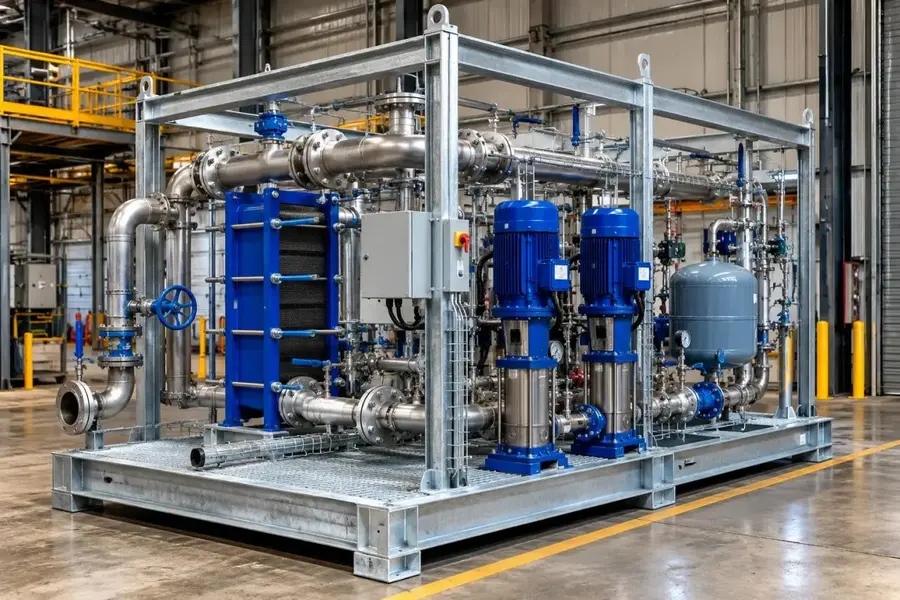
Equipment Skids & Base Frames
Pump and equipment mounting frames, with lifting, anchoring and equipment interfaces defined by design.
Technical focus: equipment loads · baseplate thickness · anchor layout · vibration considerations
Structural Fabrication & Engineering Solutions
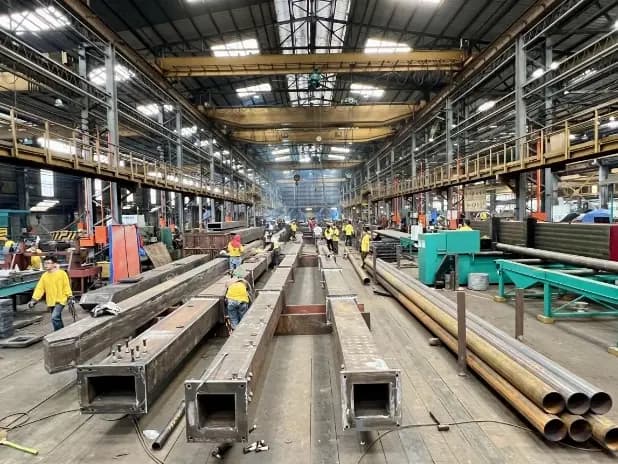
Fabricated frames, access structures, equipment supports and custom assemblies developed around project drawings, operating loads and installation requirements.
Our Fabrication Solutions
Custom-built steel fabrications developed around project drawings, operating conditions and installation requirements.
Pump and equipment mounting frames, with lifting, anchoring and equipment interfaces defined by design.
Technical focus: equipment loads · baseplate thickness · anchor layout · vibration considerations
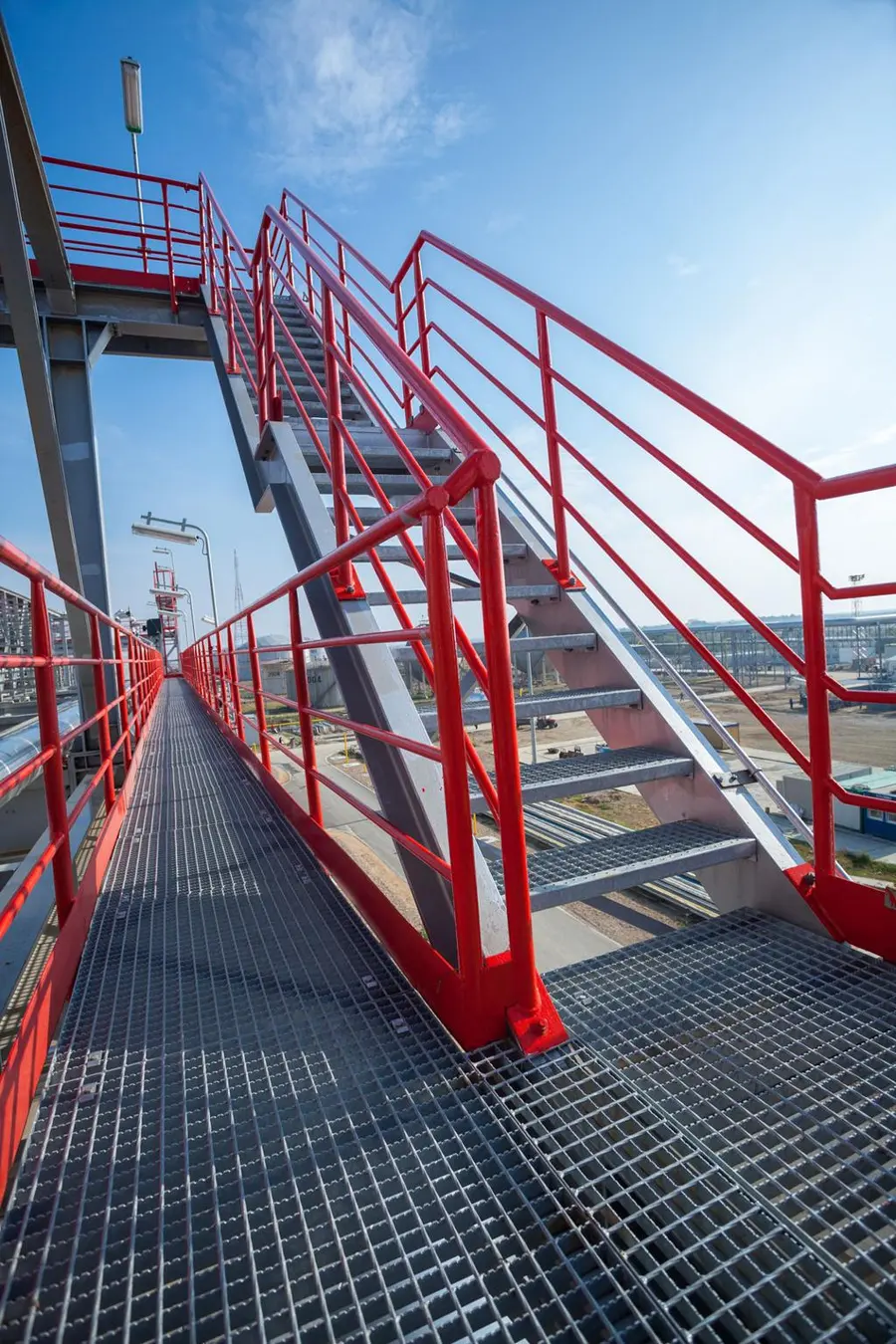
Maintenance platforms, stairs, ladders and handrails configured for the required access and service conditions.
Technical focus: imposed loads · grating · handrail geometry · slip resistance
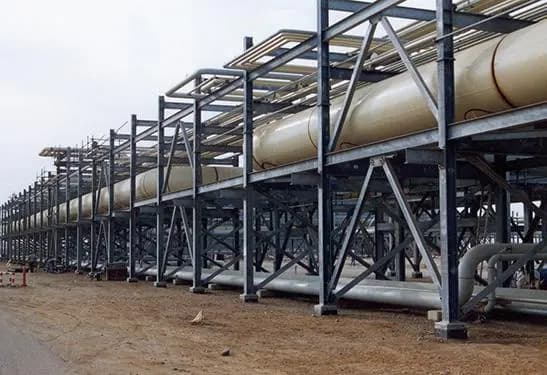
Pipe shoes, guides, brackets and support frames based on the piping or equipment design.
Technical focus: operating loads · thermal movement · restraint direction · anchoring
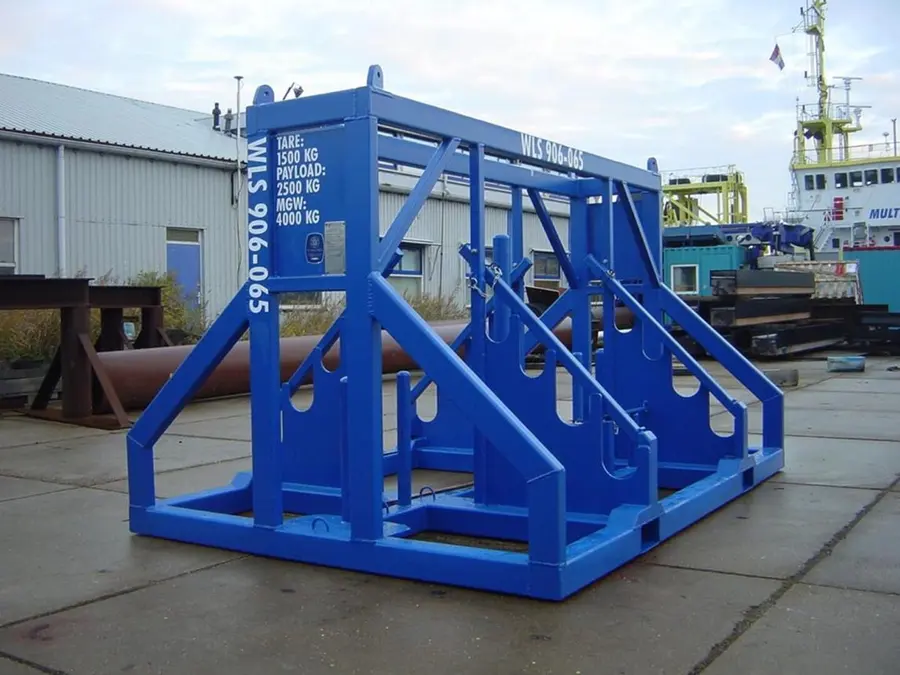
Project-specific handling and transport frames with engineered lifting arrangements.
Technical focus: WLL/SWL · centre of gravity · lifting points · required testing
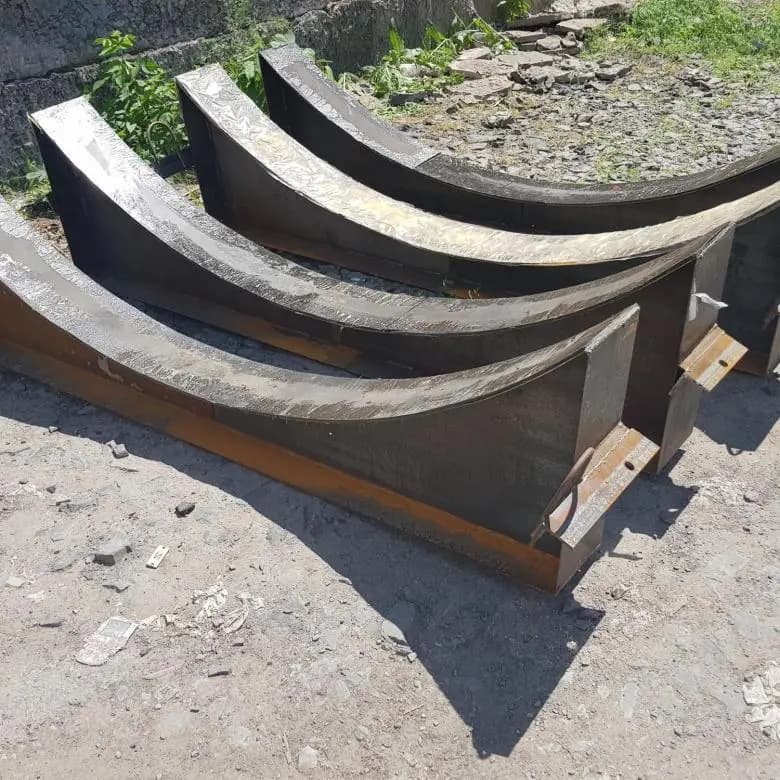
Support saddles, cradles and frames designed around vessel geometry and support reactions.
Technical focus: support loads · contact geometry · anchor bolts · thermal movement
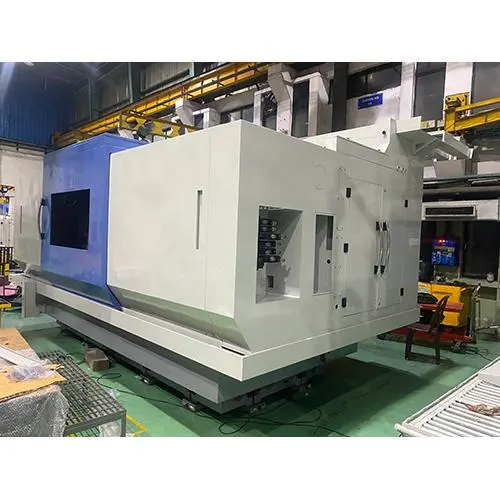
Protective housings, guards and access panels for industrial equipment.
Technical focus: clearances · removable panels · ventilation · safe maintenance access
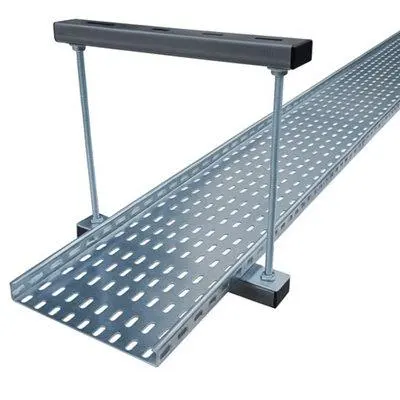
Brackets, trapeze assemblies and mounting frames for cable trays and building services.
Technical focus: support spacing · service loads · fixing details · corrosion protection
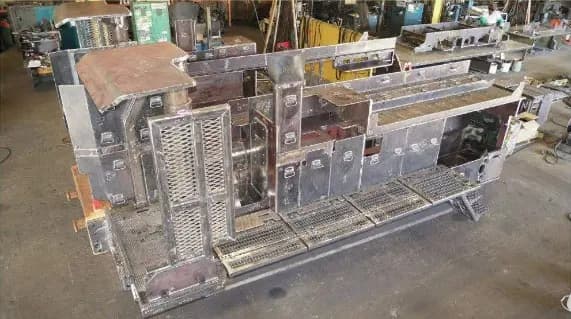
Drawing-based brackets, frames and special-purpose components for defined project requirements.
Technical focus: material grade · tolerances · weld details · fit-up and inspection
Materials & Engineering References
Material grade and selection depend on project requirements, operating environment and applicable standards.
| Material / reference | Typical relevance |
|---|---|
| ASTM A36/A36M | Carbon-steel plates and structural components |
| ASTM A572/A572M | Higher-strength structural steel where specified |
| ASTM A500/A500M | Structural hollow sections for suitable frame and support applications |
| Stainless steel 304 / 316 | Selected components where the environment and corrosion requirements justify their use |
These are examples, not a fixed material schedule. Grade, thickness, section size, material certificates and substitution rules must be specified for each project. ASTM A36, A572 and A500 are among the material specifications referenced in AISC structural-steel guidance.
Engineering & Quality Approach
Fabrication, inspection and surface protection are carried out as per project specifications and applicable standards.
Structural design may reference AISC 360 where applicable. Carbon-steel structural welding may reference AWS D1.1, including welding procedure, welder qualification and inspection requirements. The governing code and edition must be established by the project.
Coating systems are selected for the exposure environment. Where specified, batch hot-dip galvanizing of fabricated steel can be assessed against ISO 1461:2022. Paint system, surface preparation and coating thickness require a project-specific specification.
As required by the contract: material traceability, dimensional checks, visual weld inspection, specified NDT, coating inspection and final documentation. Inspection extent and acceptance criteria must be defined before fabrication.
Lifting frames, access structures and vessel supports need application-specific engineering. A general structural welding code alone does not establish a lifting rating, proof-load requirement or suitability for a particular installation.
Technical Brief
For a project-specific proposal, provide the general arrangement or fabrication drawings, material requirements, design loads, applicable codes, inspection scope, surface treatment and delivery location.